
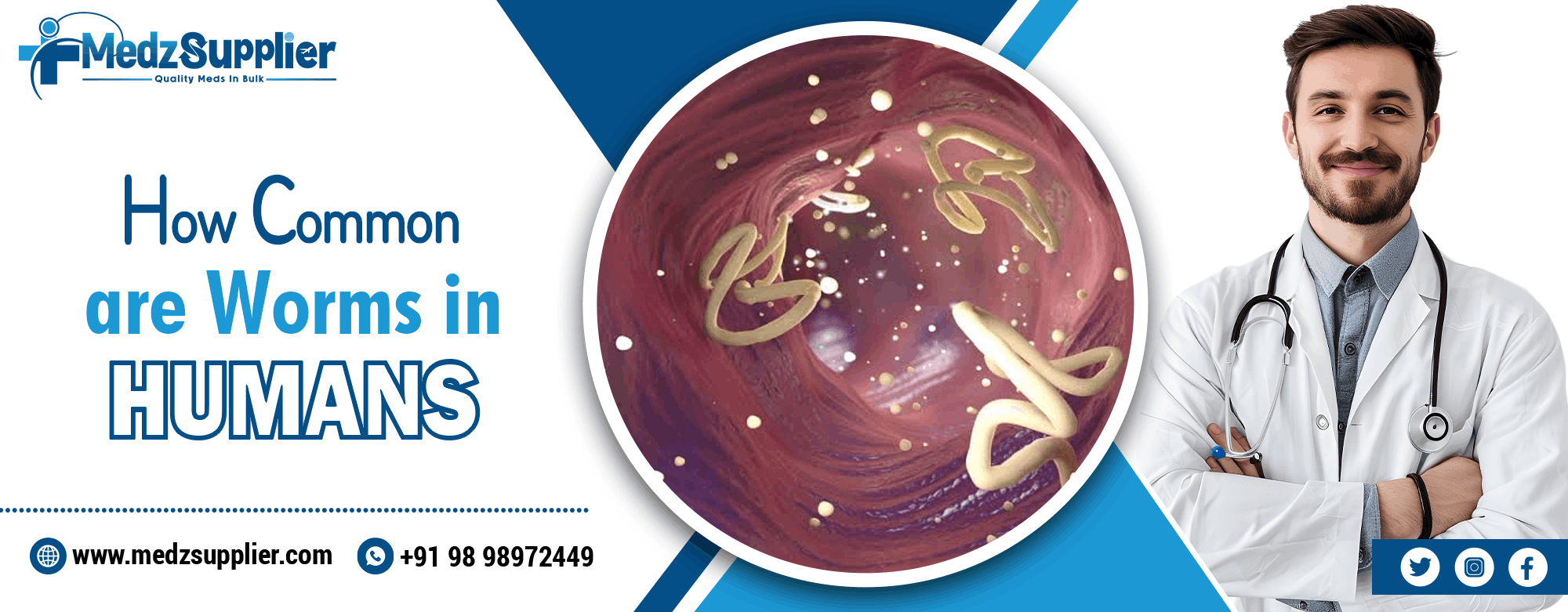
Worm infections in humans are more common than one can realize. They are found globally and especially in regions that have limited access to sanitation, safe water, hygiene, and where healthcare is limited. WHO insists that more than 105 billion individuals and almost 24% of the global population have been infected with the helminths that are soil-transmitted. These include whipworms, roundworms, and hookworms.
Chances of Worm Infections Vary as Per Sanitation, Geography, travel History, Food, Occupation, as well as Personal Hygiene.
What are Indicated as Worm Infections in Humans?
Human Worm Infections are Also Known as Helminth infections and are Caused by Parasitic Worms that survive in the human body. Major groups of worms include tapeworms or cestodes, roundworms or nematodes, and flukes or trematodes.
Most of the worms Primarily live within the intestines, while the others can impact blood vessels, lungs, liver, and Various other tissues. Common Human infections include the following:
- Roundworm
- Whipworms
- Hookworms
- Tapeworms
- Pinworms
- Fasciola
- Schistosoma
Ascaris is One of the Most Commonly Spread Human Worm Parasites. The CDC Estimates that more than 777 Million Individuals are Affected by the Infection Globally.
Where are Worm Infections Commonly Occurring?
Worm Infections Transmitted by Soil are Particularly Common in the Subtropical and Tropical Regions where Proper Sanitation and Clean Water is a Problem. Areas of Saharan Africa, South America, and Asia are among the most Commonly Affected.
Which are the Commonly Occurring Symptoms Caused by Worms?
Worm infections can cause some of the most common symptoms, or few or no symptoms at all. With heavy infections, the concerns may be deeper.
Possible symptoms usually include:
- Diarrhea
- Pain in the abdomen
- Bloating
- Nausea
- Changes in appetite
- Bloating
- Unexplained loss of weight
- Fatigue and weakness
- Anemia
- Itching surrounding the anus
- Segments of worms visible in stool
These symptoms Do Not Directly indicate that the individual has a parasitic infection, and the underlying cause may be something else.
How are Worm Infections Diagnosed?
Diagnosis depends on the parasite suspected. Certain parts of diagnosis, such as stool ova-and-parasite examination, urine testing, blood testing, imaging, and various other specialized tests, may be conducted.
CDC suggests the examination of three or even more samples of stool can be collected on separate days. Single samples may not be able to detect infections.
Geographic location, symptoms, water exposure, and travel history may also help determine which tests are suited.
How to Treat Worm Infections?
Treatment depends on the specific parasite and its proper location within the body. Not one deworming medicine can treat all kinds of worms.
Here Are the Medicines that can Help Treat Them, in General:
Mebendazole 100mg: it may be used for the treatment of a few soil-transmitted worms, including whipworms and roundworms.
Praziquantel 600mg: It Treats Schistosomiasis and a Few Tapeworm Infections.
Nitazoxanide 500 mg: It Treats a few Protozoal Infections, As Well as the Cryptosporidiosis and Also the giardiasis. It is Usually not Taken as a General Treatment for the Management of Intestinal Worms.
Triclabendazole 250mg: The Medicine Helps Treat Fascioliasis, Usually Caused by Fasciola liver Flukes.
Praziquantel is Utilized for Schistosomiasis, and Triclabendazole is the Usual Choice for Fascioliasis, Known as Liver Fluke Infection.
How to Prevent Worm Infections?
Food safety and practical hygiene measures can help reduce the impact of worm infections. The best solutions suggested by CDC and WHO include:
- Proper hand washing after using the bathroom
- Cook, wash, peel, and use fruits and veggies properly
- Water should be taken from safe sources
- Avoid any kind of contact with contaminated soil
- Shoes must be used in areas where transmission of hookworm infections is possible.
- Fish and meat must be cooked properly
- Proper sanitation procedureneeds to be followed.
People travelling to such infection-prone Areas Need to be Careful.
When Should One Contact a Healthcare Professional?
Medical evaluation is necessary if Symptoms such as Unexplained Weight Loss, Gastrointestinal problems, persistent diarrhea, anemia, and visible worms in stool are observed.
People who have had a history of such infections or those who are pregnant, young, and taking other kinds of medications must obtain proper professional advice before using any kind of antiparasitic medicine.
Conclusion
Worm infections have been extremely common on the global level. Soil-transmitted helminths affect 1.5 billion people. Risks are not usually the same in all regions. Different kinds of infections require different diagnostic tests and treatments.
Medicines like Praziquantel 600 mg, Triclabendazole 250Mg, and Mebendazole 100mg are Used against These Infections, and the Drug Nitazoxanide 500 mg is Primarily Used Against Certain Protozoal infections. Proper Diagnosis is Crucial before choosing the best treatment.
Get the most Affordable and Quality Medicines at Medzsupplier, which Delivers all Antiparasitic medications, including bulk packages, Straight to Your Location.
FAQs
Which Are the Most Common Kinds of Worms in Humans?
Most common infections include hookworms, roundworms, pinworms, whipworms, tapeworms, and certain kinds of flukes.
Are Worms Possible Without Symptoms?
Few individuals may have mild or absolutely no symptoms, but heavy Infections may develop symptoms like abdominal pain, diarrhea, weight loss, fatigue, and other problems.
How Do People Get Intestinal Worm Infections?
Most of the transmission happens through contaminated food, soil, water, improper hygiene, undercooked fish, meat, etc.
Is Nitazoxanide a Deworming Medicine?
Nitazoxanide is mainly used against protozoal infections, including cryptosporidiosis and giardiasis. It is not considered a general or usual treatment against human worm infections.