
Brief Overview of Parasites in Guinea Pigs
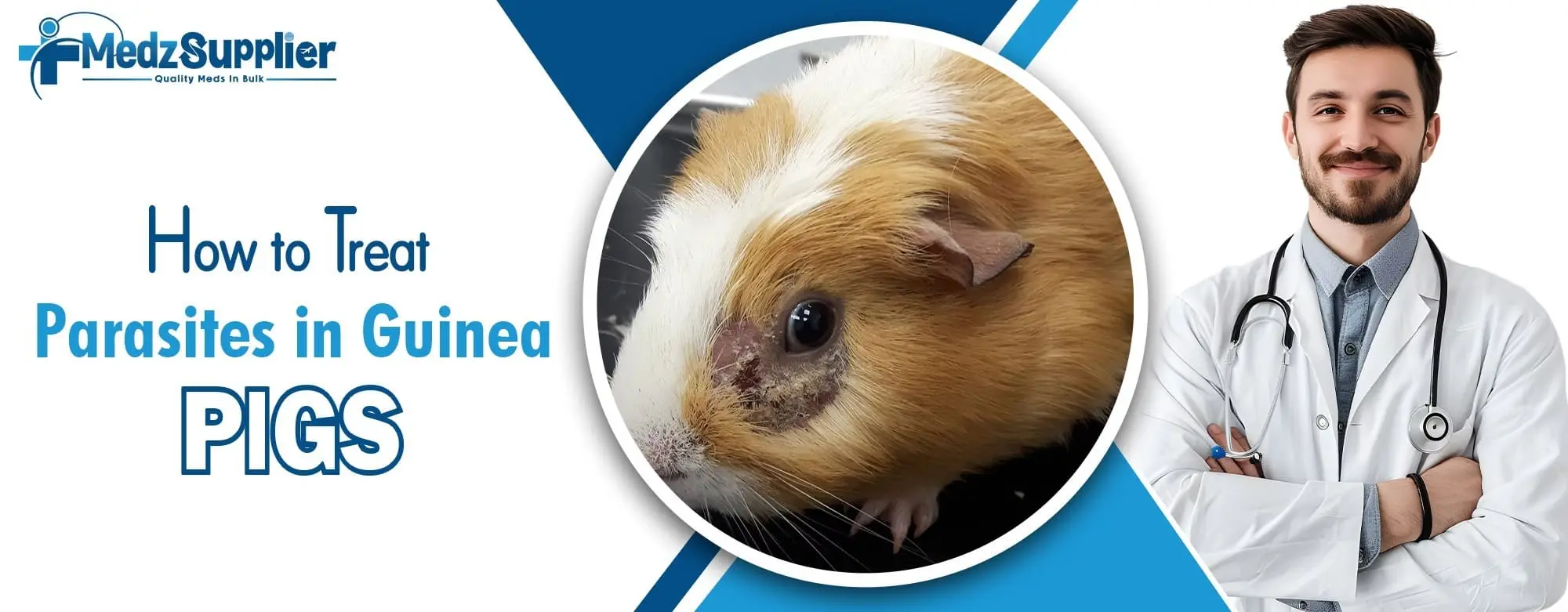
- Parasites in Guinea Pig are organisms that either live in or outside an animal and obtain nutrients at its expense. They are reported to cause irritation in skin, hair loss, itching, digestive issues, weight loss and other health complications. However some infections can be mild and some serious. Guinea pigs may develop external parasites, such as lice and mite or internal parasites (this even includes certain intestinal worms and protozoa.
- Hence, recognising an early sign is important, because guinea pigs can hide illness until their condition becomes advanced. The treatment is dependent upon the identifying the parasite correctly. In this case, a veterinarian may recommend appropriate antiparasitic medication, environmental cleaning, and supportive care.
What Are the Common Parasites Found in Guinea Pigs?
Some common Parasites in Guinea Pigs found are as follows:
Mites
- They are among the most important external parasites affecting guinea pigs. One of those particularly significant species is Trixacarus caviae, which causes sarcoptic mange. Infested guinea pig may develop intense itching, hair loss, inflamed skin, crusting, and sores caused by scratching. In severe cases, affected animals may show pain, agitation, reduced appetite, or seizure-like episodes and followed by extreme irritation.
- Mites, however, are not always visible to the naked eye, so a veterinary examination and appropriate diagnostic testing may be needed.
Lice
- Guinea pigs can develop infestations involving species-specific lice, including Gliricola porcelli and Gyropus ovalis. Such parasites live in the coat and feed on skin debris or other material associated with the host. Some common signs are: hair loss, frequent scratching, visible lice eggs, and skin irritation.
Fleas
- Fleas are typically less typical than mites or lice in guinea pigs, but infestations can occur, and majorly when animals share an environment with infested pets. If fleas are suspected, a veterinarian should identify the likely source and recommend suitable treatment.
Intestinal Worms
- Some of the guinea pigs may also cause gastrointestinal worms, though their significance depends upon the species, location and individuals circumstances. Some possible signs involve- poor body condition, weight loss, changes in stool, digestive problems. In this case, a faecal examination can help to determine whether intestinal parasites are present and whether treatment is needed.
Protozoan Parasites
- Protozoa are known as microscopic organisms rather than worms. Certain species include Eimeria caviae, can infect the intestinal tract of guinea pigs and cause coccidiosis. Some possible signs include dehydration, weight loss, diarrhoea, and weakness. Young or stressed animals may be particularly vulnerable to severe disease.
- However, in case of any parasite’s infections, considering Fenbendazole 500Mg is one of the suitable oral drugs available.
What Are the Symptoms of Parasites in Guinea Pigs?
- Persistent scratching
- Red, irritated, or inflamed skin.
- Scabs
- Visible lice
- discomfort when touched.
- Hair loss
- Weight loss.
- Poor body condition.
- Reduced activity
- Dehydration.
How to Treat Parasites in Guinea Pigs?
- Treating parasites in guinea pigs often begins with the identification of the organism responsible for the symptoms. Since, different parasites require different medicines and treatment for mites may not be appropriate for lice, fleas, or intestinal protozoa.
Proper Diagnosis
- It is important to consider the veterinarian’s diagnosis in treating small mammals or exotic pets can examine the skin, coat, weight, appetite and general condition. Depending upon the suspected parasites, diagnosis procedures may include skin scrapings/microscopic examination, examination of hair and coat sample and Faecal testing for intestinal worms.
Using Suitable Medication
- Use prescribed antiparasitic treatment like Ivermectin 3Mg under veterinary supervision. This particular medicine can help to control parasitic infection in guinea pigs and while taking instructions for the product, route of administration, and considering all necessary warnings.
Cleaning Environment
Environmental hygiene also helps to reduce the risk of reinfestation and supports recovery.
Some Recommended Measures are:
- Removing Soil bedding and replacing it with clean material.
- Washing reusable bedding and fabrics
- Clean food bowls, water bottle and cage surface.
- Dispose of contaminated bedding safely.
- Keep the enclosure dry, clean, and well-ventilated.
- Inspect other guinea pigs that share the enclosure.
Can Parasites Spread Between Guinea Pigs?
- Yes. Certain parasites can even spread between guinea pigs, but transmission is dependent upon the parasite’s species and their life cycle.
- Mites and lice may spread when guinea pigs have close physical contact. Moreover, sharing and enclosure can increase the opportunity for transmission.
- Some parasites or their life stages may also be transferred through bedding, grooming equipment, hideouts, and other contaminated materials.
- Crowded or poorly maintained enclosures can also make it harder, to control an infestation.
Which medications are safe for guinea pigs with parasites?
The Choice of Medicine is Dependent Upon:
Parasite Being Treated
the Guinea Pigs Weight
its Health Status
and the Specific Product Formulation.
Ivermectin is an antiparasitic medication that veterinarians may use for certain external parasite infestations in guinea pigs, particularly mites.
Other is selamectin, which may also be prescribed by a veterinarian for certain external parasites.
Any of these medications or other can be purchased online with Medzsupplier. Being a reputed online pharmacy we help in delivering the related parasitic medicines to Treat guinea pigs.
Our safe delivery and affordable options make individuals to let their purchase gets smoother.
Conclusion
- Parasites in guinea pigs is reported to affect the skin, coat, digestive tract and impact overall health. Mites, lice, fleas, intestinal worms, and protozoa may cause different symptoms, so it is important to determine the early sign and move towards the effective treatment. In this case, a veterinarian can identify the likely parasites, recommend an appropriate medicine and even advise on cleaning the enclosure and protecting other guinea pigs.